
(+91) 8319733715
Info@aeero.ac.in
Student login
Organization Login
Admin Login

Aarav Educational & Employment Research Organization (AEERO)
Established Since 2018 Regd. Under Indian Trust Act 1882 Registration No. 245/18 Under Govt. of NCT of Delhi NGO Darpan/ NITI Aayog, Unique ID: DL/2023/0352409

Solar technician training involves learning to install, test, commission and maintain solar power systems, the hands-on skills that drive the growth of the rooftop and utility-scale solar market in India. In tandem with the increasing use of solar energy in households, commercial buildings, and industries, there has been an escalating need for individuals who are physically capable of installing and maintaining solar panels, wiring, inverters, and batteries.
The career of a solar technician is no desk job. It brings together electrical skills and hands-on work: rooftop climbing, installation of DC and AC wiring, installation of inverters, testing and troubleshooting installation faults. It is a fact that solar technician training is designed for this reality: classroom training and tool-in-hand learning.
This guide is designed for individuals who are considering solar technician training, whether they are school leavers, ITI and diploma holders, experienced electricians wanting to specialize in solar, or career changers considering transitioning to renewable energy. This explains what the course covers, how long it takes, what it costs and what happens after you have passed your course.
Solar technician training is a skill-based course which provides hands-on and electrical knowledge required to work with Solar PV systems. Usually includes theory sessions and practical exercises on the actual or simulated solar installation.
The training provides an overview of:
The depth of the topics will vary according to the institute and the course type – short term, certificate or diploma. Not all training programs will cover all the topics, so be sure to review a course’s syllabus before assuming what will be covered.
Generally, a solar technician’s daily tasks involve:
There are tasks which are more experienced (such as system design or advanced fault diagnosis), and others that are more primal (such as mounting a panel or basic wiring).
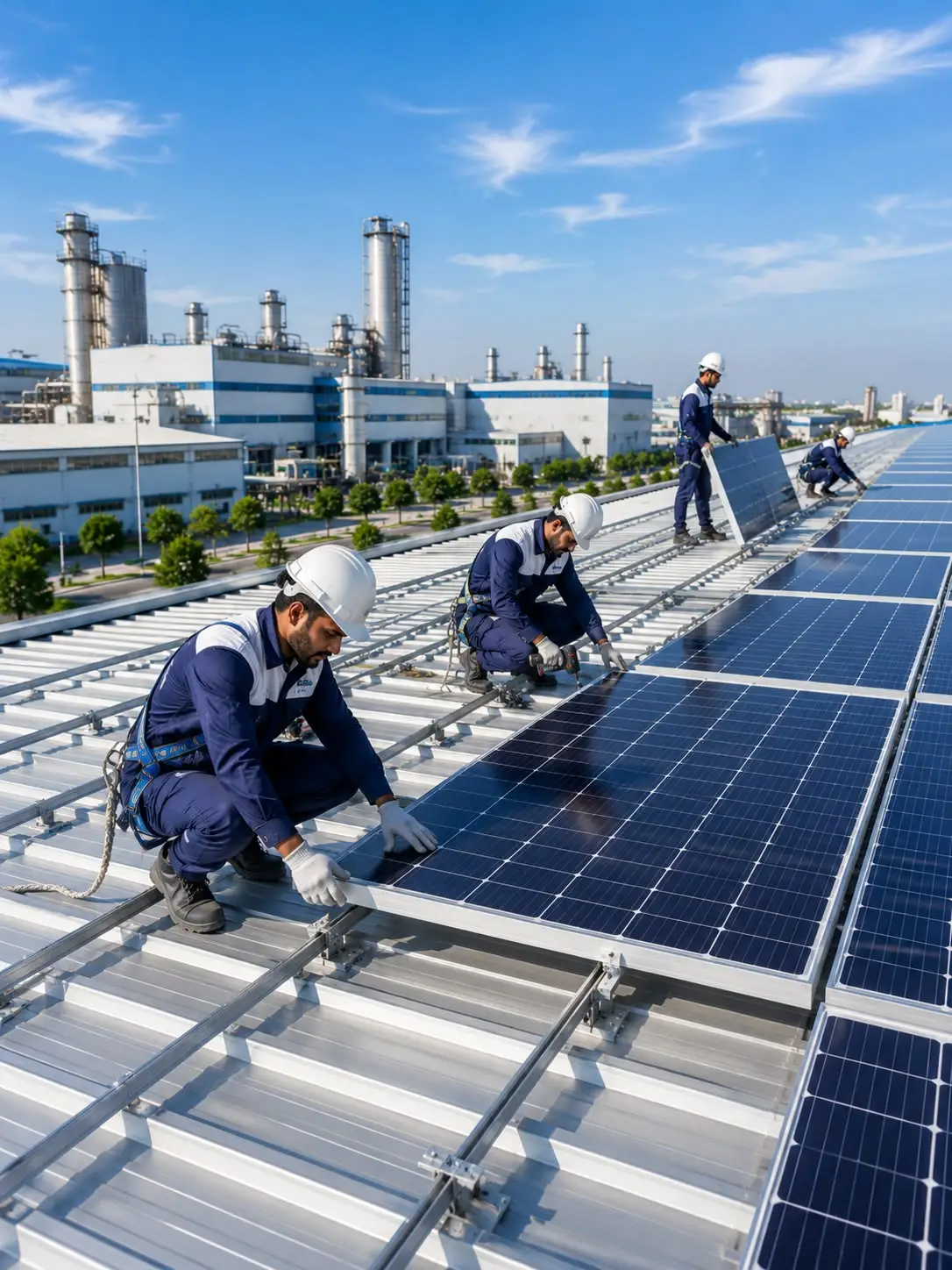
Typically, a good solar technician course is designed to progressively develop skills starting from basics and extending to practical application. Common subjects are:
Foundational topics
System components and types
Installation skills
Testing, commissioning, and upkeep
Safety and design basics
Good programs are able to clearly distinguish the theory (concepts, calculations, regulations) from the practical training (installing, wiring, testing systems). When the course description does not make this distinction, it is advisable to inquire directly with the institute regarding the amount of time spent developing hands-on skills vs lectures.
There are a number of pathways to entering solar technician training, which depends on the training institute and course you are taking, including:
The eligibility criteria vary substantially between a short skill-training program and a formal diploma so check with the particular institute with which you are interested before submitting your application.
Course duration in the solar training space varies widely depending on the format:
These durations are general industry patterns, not a claim about any specific provider’s course length. Not all solar technician programs are the same length, and a shorter course is not automatically less useful — it depends on what the learner already knows and what they intend to do with the training.
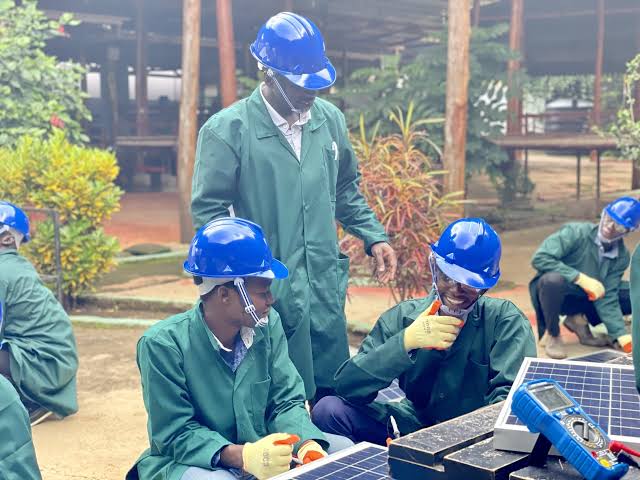
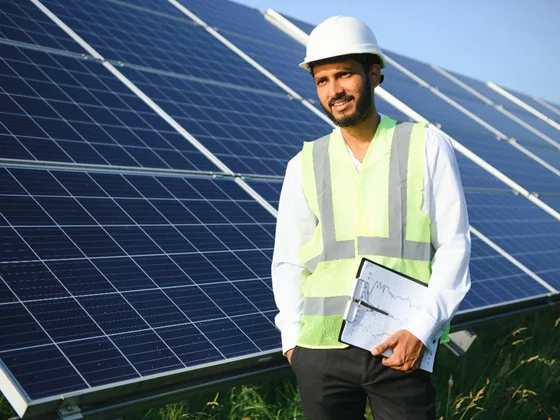
Fees for solar technician training differ based on several factors:
Because of these variables, fees can range considerably between institutes offering what looks like a similar course on paper. For reference, the 3-Month Solar PV Installer Course is priced at ₹20,000, while the 1-Month Solar PV Installer Assistant Course is priced at ₹10,000. Fees may vary depending on the institute, course duration, facilities, practical training, and certification provided.
Additionally, You can check solar certificate distribution images of our previous students
This is one of the most practical questions for anyone searching for solar technician training online, and the honest answer is: it depends on what you’re trying to learn.
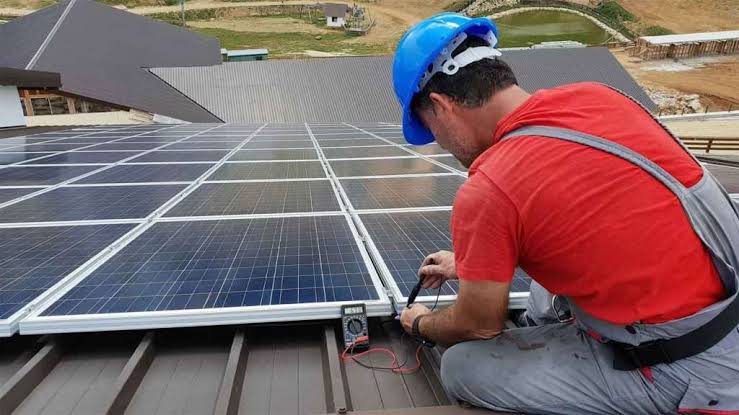
Honest comparison:
Format | Strengths | Limitations |
Online only | Flexible, low-cost, good for theory | No hands-on practice, harder to build muscle memory for installation |
Offline only | Full practical exposure, direct supervision | Less flexible scheduling, often costlier |
Hybrid (online + practical) | Combines theory flexibility with real installation practice | Requires attending in-person sessions at some point |
All of this can be achieved online but cannot match the hands-on experience of installation, live wiring or fault diagnosis on a real system. In the highly hands-on and safety-conscious world of tech-heavy, most industry-relevant programs feature some hands-on or lab time prior to working on real installations. When the course promises to prepare a student for a job—without attending class—it is appropriate to ask how the practical aspects of the course will be evaluated.
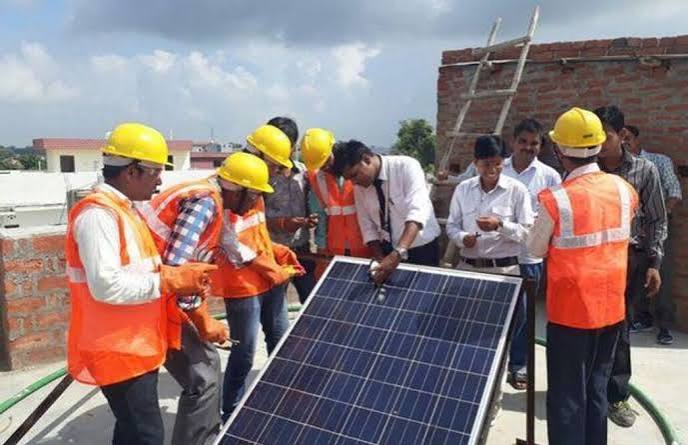
Solar panel technician training focuses specifically on the skills needed to work with the physical panels themselves, rather than the full system. This typically includes:
This training is often a component within a broader solar technician course rather than a completely standalone program, though some institutes do offer panel-focused short courses.
Solar power technician training takes a broader view than panel-specific training — it deals with the complete solar power system, not just the panels. This includes:
Solar training is often more in-depth when it comes to the interaction of multiple components of a solar power system, which is beneficial for those looking to install a complete solar power system instead of mounting solar panels.
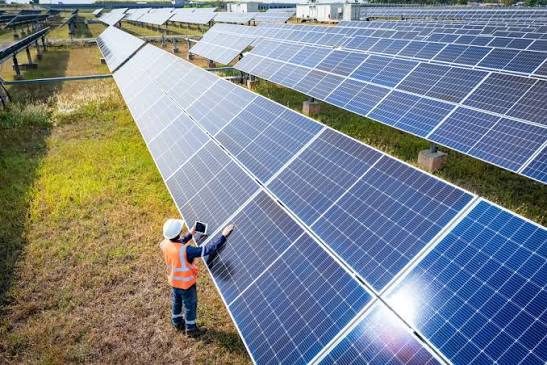
While a course can be used to get a job as a solar technician, a diploma offers a more in-depth and longer course of study.
| Factor | Certificate / Training Course | Diploma |
|---|---|---|
| Duration | Generally shorter — weeks to a few months. | Generally longer — several months to a year or more. |
| Depth | Focused on core practical skills. | Broader technical and theoretical depth. |
| Practical Exposure | Depends on the institute and course design. | Depends on the institute and course design. |
| Career Use | Suited for entry-level installation and maintenance roles. | Suited for roles requiring deeper technical knowledge, and can support progression to supervisory work. |
| Best Suited For | Those wanting to start working quickly, or add solar skills to an existing trade. | Those wanting a more comprehensive technical grounding before entering the field. |
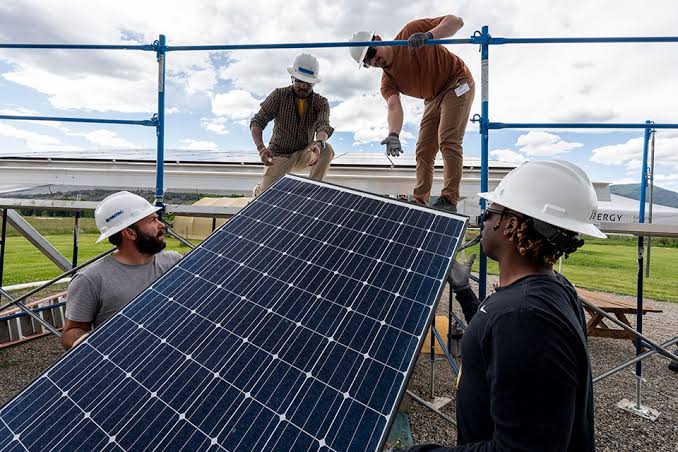
A solar energy technician diploma typically offers more depth than a short course. It generally covers:
AEERO Diploma Details
Solar Technician Training — 3 Months.
AEERO‘s Solar Technician Training is a 3-month-long course that focuses on imparting skills that are practical and job-orientated in the field of solar PV systems. The training will include the following key topics:
The program is designed for students who have an interest in acquiring hands-on installation skills for solar energy and potential career paths in the booming solar industry.
Duration: 3 Months
Students will concentrate on solar PV, installation, maintenance and practical skills.
The word “certification” gets used loosely in the training industry, so it’s worth understanding what different certificates actually mean:
Important: A course completion certificate is not automatically a government-recognized qualification. Before choosing a program, ask the institute directly what type of certificate they issue, whether it involves any assessment, and whether it is affiliated with any recognized authority — and verify that claim independently rather than taking it at face value.
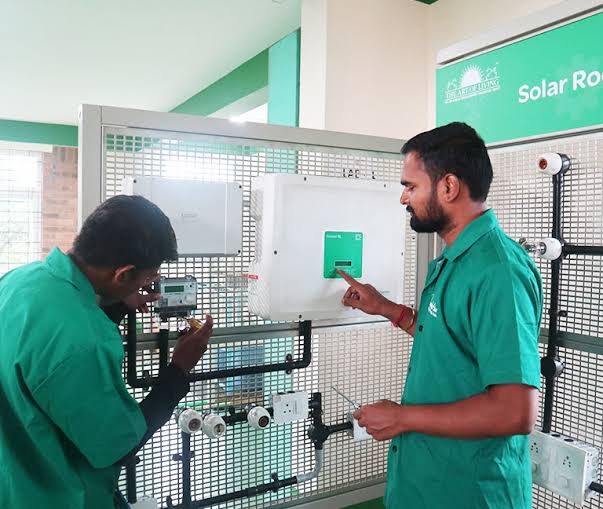

After training, several roles are commonly available to solar technicians, including:
The exact title and scope of these roles can vary between employers, and availability depends on regional solar market activity, project pipelines, and the technician’s own experience level.. Training improves employability but does not guarantee a job offer.
Solar technician salaries in India vary considerably and depend on several factors:
Because pay varies this widely by region, employer, and individual skill, this article does not quote a single “average salary” figure — any number presented without a clear, dated, and verifiable source should be treated with caution. If you want a realistic sense of current pay, it’s best to check recent job postings for solar technician roles in your specific city or region.
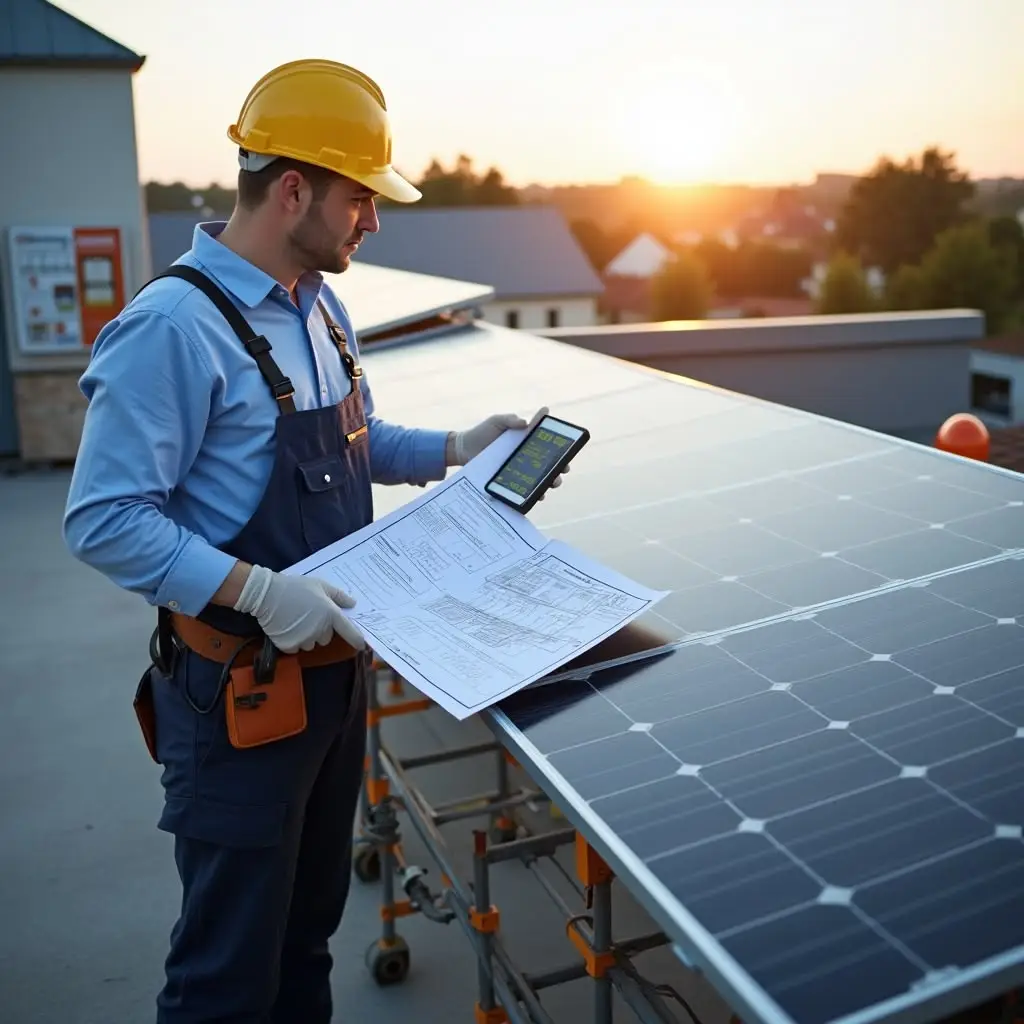
A typical progression in the solar technician field looks like this:
Entry-level technician → Solar Installation Technician → Experienced Solar Technician → Senior Technician / Supervisor → Solar O&M / Site Supervisor → Advanced technical or business roles
Progression generally depends on gaining field experience, expanding technical skills (such as system design or fault diagnosis), and taking on greater responsibility over time — rather than happening automatically after a fixed period.
Self-employment is also a path some technicians pursue, such as starting a small solar installation or maintenance service business. This can work well for technicians who build strong practical skills and local relationships, but it comes with the usual challenges of running a small business — finding customers, managing costs, and building a reputation — and should not be viewed as an easy or guaranteed source of income.
If you’re searching for solar technician training near me, evaluate local options using criteria like:
AEERO Locations
Training Locations & Modes: AEERO provides Solar PV Technician courses pan India through Online and Offline training modes. Students can choose the mode that best suits their learning requirements.
For more details about the course, eligibility, fees, and admission process, talk to our Counsellor Team at 9105111333.
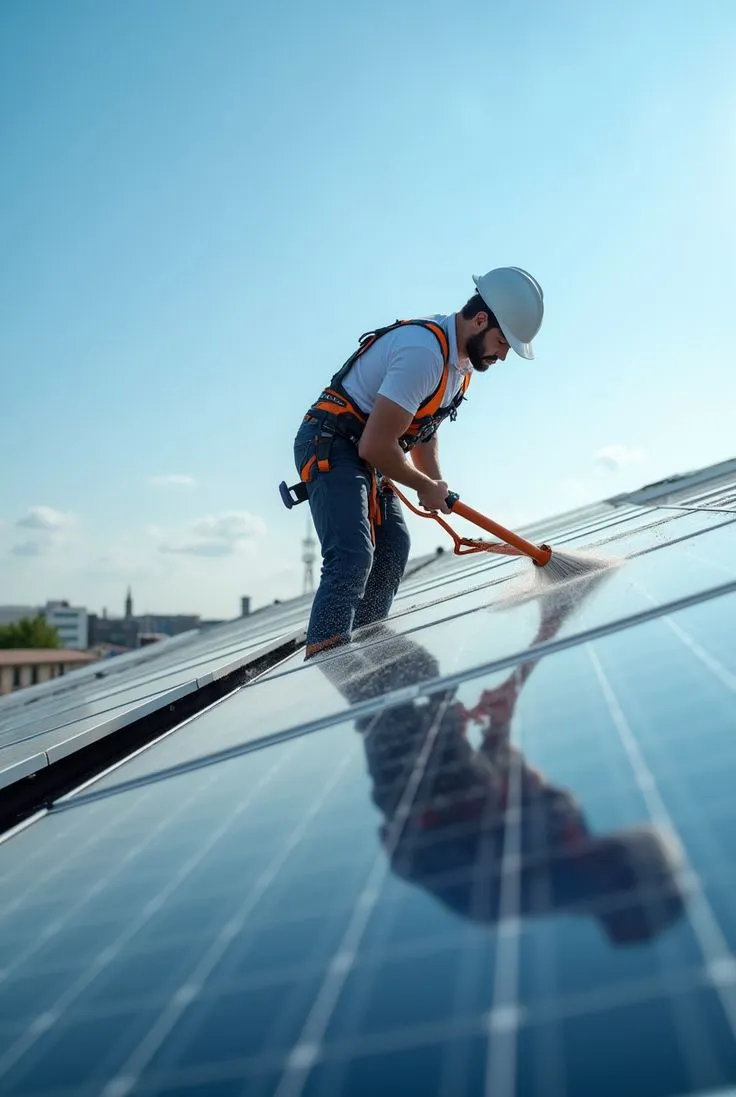
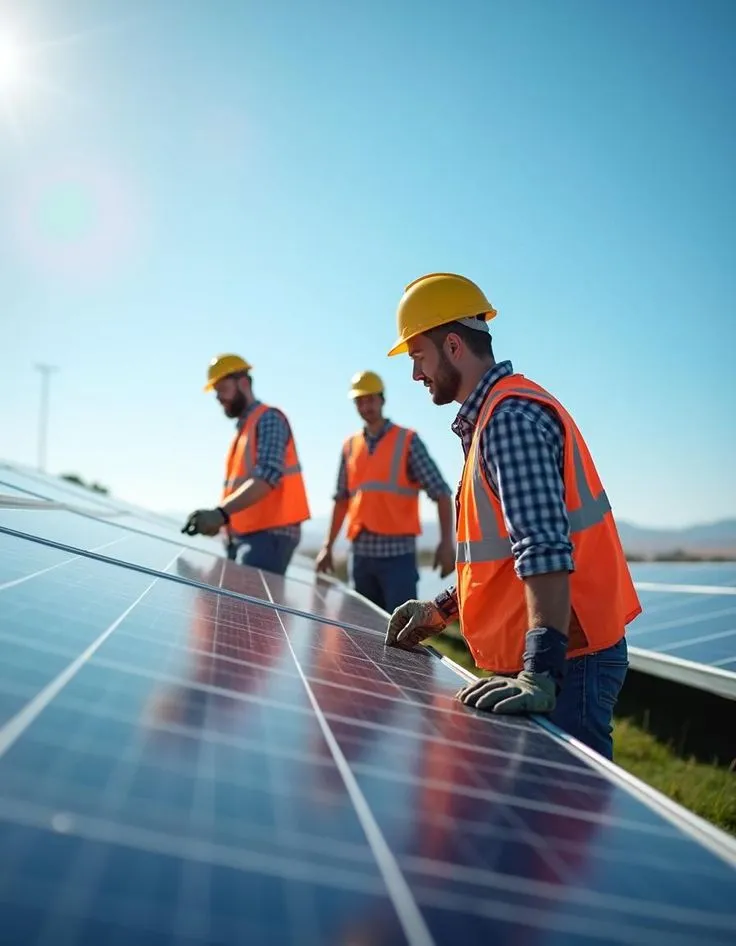
Before enrolling anywhere, run through this checklist:
A good course should hold up against this checklist regardless of which institute you’re considering — including this one.
Solar technician training and general electrical training overlap but are not the same thing.
This is why many solar technician courses specifically welcome existing electricians — the foundational knowledge transfers well, and the course adds the solar-specific layer on top.
This depends on individual circumstances, but a few honest observations can help you decide:
Solar technician training can be a solid career path for the right person, but it is not a guaranteed job or guaranteed income. Like any skilled trade, success depends on the quality of training received, the effort put into building practical experience, and local market demand.
Our Offices
GET IN TOUCH
Download the App Now


© 2026 AEERO. All Right Reserved.
Chat on Whatsapp
