Career Opportunities in Fire Technology and Industrial Safety Management 2026

Fire and Safety Course
A career in fire technology and industrial safety management course offers numerous opportunities across various industries. Job roles include fire safety officers, industrial safety managers, fire protection engineers, and safety inspectors.
Industries That Require These Skills
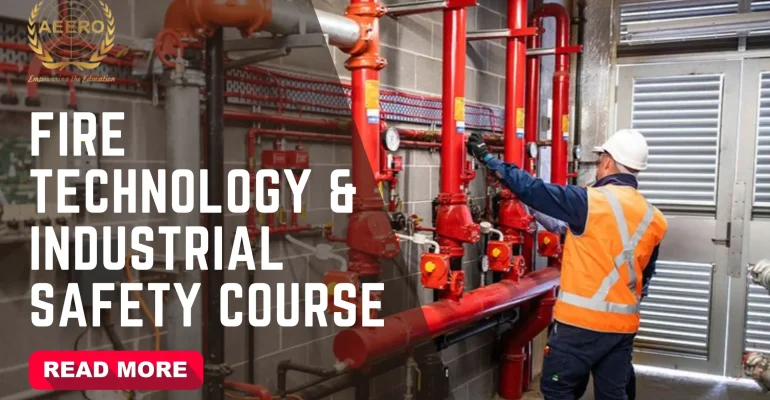
Industries such as manufacturing, chemical, oil and gas, and construction require professionals skilled in Fire Technology and Industrial Safety to ensure compliance with safety regulations and protect their operations.

Fire Safety Equipment and Systems
Types of Fire Extinguishers
Effective fire safety management relies on a range of equipment and systems. Fire extinguishers, available in various types such as water, foam, CO2, and dry powder, are essential for controlling small fires.
Fire Alarms and Sprinkler Systems
Fire alarms and sprinkler systems provide early detection and automatic suppression, significantly reducing fire damage and enhancing safety.
Implementing Fire Safety Plans
Developing a Fire Safety Plan
Developing a comprehensive fire safety plan is crucial for industrial safety. This plan should outline procedures for fire prevention, emergency response, and evacuation.
Conducting Fire Drills and Training
Regular fire drills and training sessions ensure that employees are familiar with safety protocols and can respond effectively in the event of a fire.
Case Studies of Industrial Accidents
Lessons Learned from Past Incidents
Examining case studies of industrial accidents provides valuable lessons on the importance of Fire Technology and Industrial Safety. These case studies highlight common causes of accidents, the impact of inadequate safety measures, and the need for robust fire safety systems.
Technological Advancements in Fire Safety
Innovations in Fire Detection and Suppression
Technological advancements have significantly enhanced fire safety in industrial settings. Innovations in fire detection systems, such as advanced sensors and automated alarms, provide more accurate and timely detection of fire hazards.
Impact of Technology on Industrial Safety
Modern fire suppression technologies, including gas-based systems and fire-resistant materials, offer improved fire control and protection.
Government Regulations and Standards
Overview of Fire Safety Regulations
Government regulations and standards play a critical role in ensuring industrial safety. Regulations such as the National Fire Protection Association (NFPA) standards provide guidelines for fire safety management.
Compliance Requirements for Industries
Industries must comply with these regulations to ensure their safety practices meet the required standards and protect their workforce.
Challenges in Fire Technology and Industrial Safety
Common Challenges Faced by Industries
Despite advancements, industries face several challenges in Fire Technology and Industrial Safety. Common challenges include the high cost of implementing safety systems, lack of awareness and training, and ensuring compliance with regulations.
Strategies to Overcome These Challenges
Addressing these challenges requires a proactive approach, continuous training, and investment in advanced safety technologies.
Future Trends in Fire Technology and Industrial Safety
Emerging Trends and Technologies
The future of Fire Technology and Industrial Safety is shaped by emerging trends and technologies. Developments in artificial intelligence (AI) and the Internet of Things (IoT) are expected to revolutionize fire detection and response.
Predictions for the Future
Smart sensors, automated systems, and real-time monitoring will enhance fire safety management, making industrial environments safer and more efficient.
Conclusion
Fire Technology and Industrial Safety are indispensable in ensuring the safety of workers and industrial operations. By implementing robust fire safety systems, conducting regular training, and adhering to regulations, industries can minimize fire-related risks and protect their assets. Investing in advanced Fire Technology and maintaining high safety standards will lead to a safer and more productive industrial environment.